
Soybeans are a versatile, high-protein plant food that belongs to the pea family. Available in various forms, soybeans are essential in many diets and industries. Here’s a breakdown of the main types of Brazilian soybeans and their uses:
Brazilian Soybeans
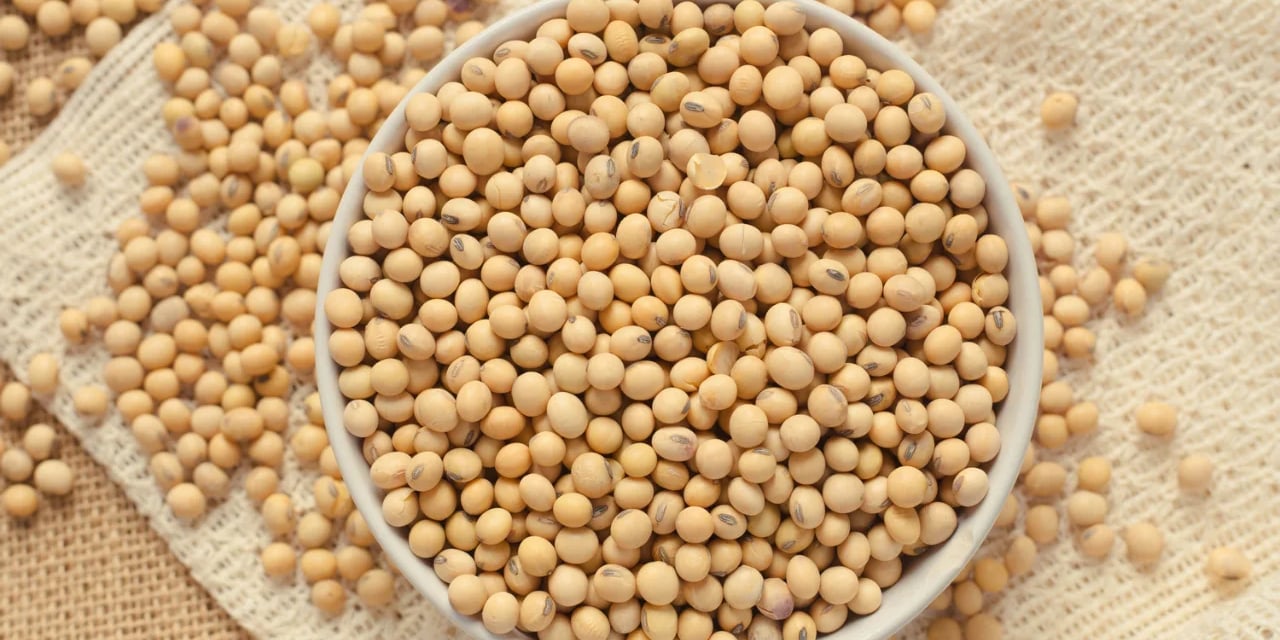
Types of Soybeans
Green Soybeans (Edamame)
Description: Young, tender green soybeans, also known as edamame, are often steamed and enjoyed as a snack or appetizer.
Uses: Commonly served in their pods or shelled in salads, stir-fries, and soups.
Yellow Soybeans
Description: These are the most widely used soybeans, prized for their versatility.
Uses: Perfect for producing soy milk, tofu, tempeh, tamari, and soy flour used in baking and cooking.
Black Soybeans
Description: Popular in various Asian cuisines, black soybeans are often simmered or fermented to create traditional dishes.
Uses: Also used to make soy milk, dairy alternatives, and specialty cheeses.
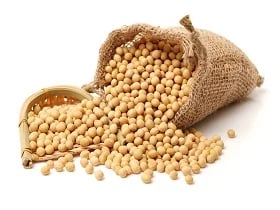
SoyBean
Protein:35.0% Min.
Moisture:13.5% Max.
Foreign Material:2.0% Max.
Oil Content:18.5% Min.
Kernels:3.0% Max.


Soybeans Meal
Protein:46.0% Min.
Fat:7.0% Max.
Moisture:10.0% Max.
Fiber:8.0% Max
Silica:2.0% Max.
Key Benefits of Brazilian Soybeans.
Brazilian soybeans offer numerous advantages across industries, from food production to agriculture. Here are the top benefits:
Key Products Derived from Soybeans
Soy Oil: Extracted from soybeans, soy oil is a staple in cooking and food production.
Soy Meal: The by-product of oil extraction is used to produce animal feed and pet food.
Protein Powder & Supplements: Soy-based protein powders and isoflavone supplements are popular for their health benefits. Isoflavones mimic estrogen in the body and are often sought after for their potential hormonal benefits.
Types of Soy Production in Brazil
Genetically Modified (GM) Soybeans
Produced using biotechnology, GM soybeans are engineered for herbicide tolerance, specifically glyphosate. This advancement ensures higher crop yields and efficiency.
Conventional Soybeans
These soybeans are cultivated using traditional farming techniques without genetic modification.
Organic Soybeans
Grown without synthetic fertilizers or pesticides, organic soybeans are preferred by health-conscious consumers and those prioritizing sustainability.
Why Choose Brazilian Soybeans?
Brazil is a global leader in soybean production, offering high-quality crops suited for various industrial and dietary applications. Whether you need soybeans for food products, oil extraction, or animal feed, Brazil provides diverse and reliable options to meet your needs.
By understanding the unique qualities and applications of each type, businesses and consumers can make informed decisions when selecting soy products.
Brazilian soybeans offer numerous advantages across industries, from food production to agriculture. Here are the top benefits:
1. High Nutritional Value Rich in protein: Soybeans are a high-protein food, making them an excellent source of plant-based nutrition. Contains essential nutrients: Packed with vitamins (B-complex, vitamin K) and minerals like iron, magnesium, and potassium. Isoflavones: These compounds mimic estrogen and may support hormonal health, particularly in women.
2. Versatility in Applications Food Industry: Used to make soy milk, tofu, tempeh, soy flour, and fermented products like miso and tamari. Animal Feed: Soy meal is a protein-rich feed for livestock and poultry. Cooking Oil: Soy oil is widely used in food preparation due to its neutral flavor and affordability.
3. Sustainability and Efficiency Brazil leads in sustainable soybean farming practices, incorporating crop rotation and advanced irrigation techniques. Soybeans are a renewable resource, and by-products (like soy meal) ensure minimal waste.
4. Health Benefits Supports heart health: Lowers cholesterol levels due to the presence of healthy fats and soy protein. Bone health: Contains calcium, magnesium, and isoflavones that promote strong bones. Weight management: High in protein and low in saturated fats, soybeans help in maintaining a balanced diet.
5. Adaptability for Special Diets Suitable for vegetarians and vegans as a plant-based protein source. Lactose-free: Perfect for individuals with dairy allergies or lactose intolerance. Gluten-free: Ideal for those with gluten sensitivity or celiac disease.
6. Economic Benefits Cost-effective: Soybeans are an affordable alternative to animal protein. High yield: Brazil’s advanced agricultural practices ensure a steady supply, stabilizing costs for global buyers.
7. Diverse Options Offers genetically modified (GM), conventional, and organic varieties to meet different consumer preferences and market demands.
With their unmatched versatility, nutritional profile, and economic and environmental benefits, Brazilian soybeans are an invaluable resource for industries and individuals worldwide.

CONTACT US
Email: JFAgro@dr.com
Phone: +55 119 5846 3995
Address: RUA SEIS (06), 111 - CENTRO BOM JESUS DE GOIAS - GO, BRAZIL
JF AGRO LTDA © 2026. All Rights Reserved